Walk through Cape Town long enough, and you’ll realise the city’s heritage isn’t just tucked away in museums. It is all around you, in old fortifications, colourful neighbourhoods and historic homes.
This Heritage Month, we’re taking a closer look at some of the buildings and architectural landmarks. These include:
Castle of Good Hope
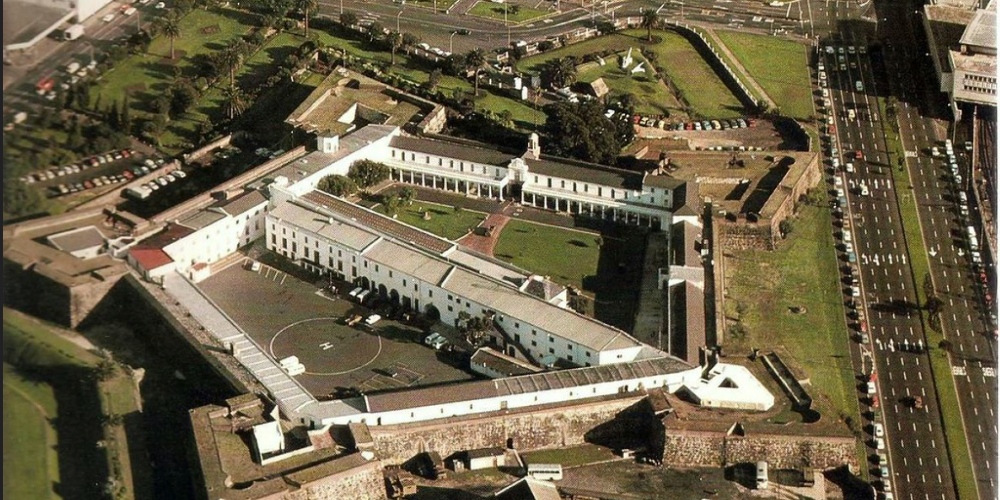
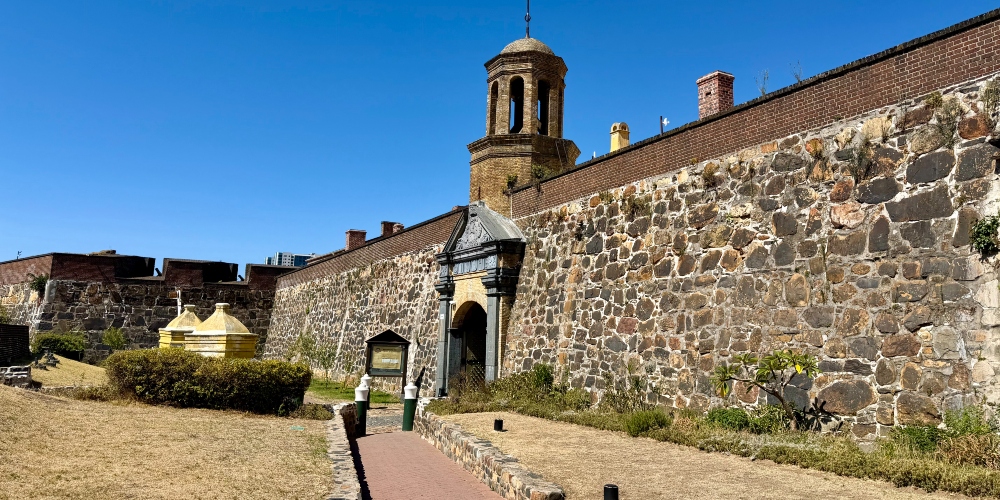
A good place to start is the Castle of Good Hope. The Dutch East India Company began construction in 1666 and completed it in 1679. The Castle is regarded as the oldest surviving colonial building in South Africa and one of the best-preserved examples of 17th-century fortifications worldwide. The Dutch built it on Cape Town’s original shoreline. Its distinctive pentagonal shape, thick walls, and five bastions were designed to protect the tiny town from capture by the French or the English, both of whom coveted the trade route to Indonesia.
Cape Town City Hall
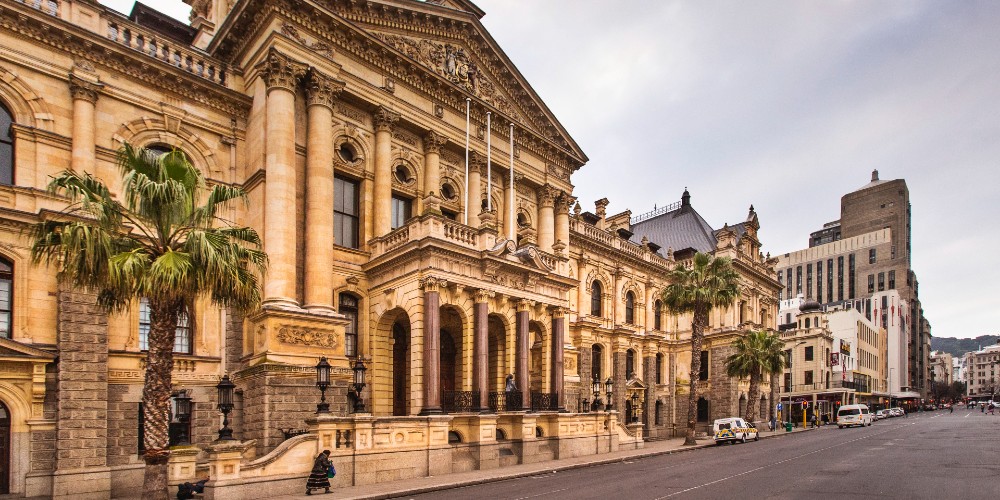
Cape Town City Hall has stood at the heart of public life since 1905. Designed by Henry Austin Reid and Frederick George Green, the building blends Edwardian and Victorian influences with the grandeur of the French Second Empire. Its honey-coloured limestone was imported from Bath, England, and its clock tower is a smaller replica of London’s Big Ben. It houses Africa’s only restored carillon, a set of tuned bells capable of playing a wide range of melodies.
The building is remembered for more than its architecture. On 11 February 1990, Nelson Mandela addressed around 100,000 people from its balcony, hours after his release from prison. He returned in 1994, when he was elected president of South Africa.
Taj Cape Town
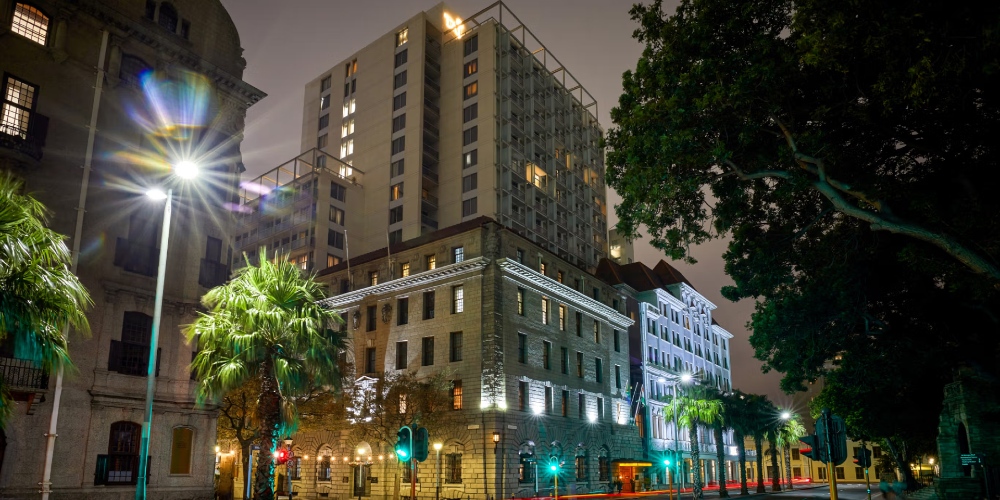
Taj Cape Town brings together two heritage buildings: Temple Chambers and the former South African Reserve Bank building. Temple Chambers began as the headquarters of the Board of Executors in 1856, the world’s oldest surviving trust company (now part of Nedbank), and was expanded and renamed in 1928. Rather than erasing their historic character, the hotel carefully restored both buildings and incorporated them into the hotel.
One of the most striking spaces is the former banking hall, with its marble columns, high ceilings, and original architectural details intact. It is a strong example of adaptive reuse, breathing new life into the buildings while celebrating their history.
St George’s Cathedral
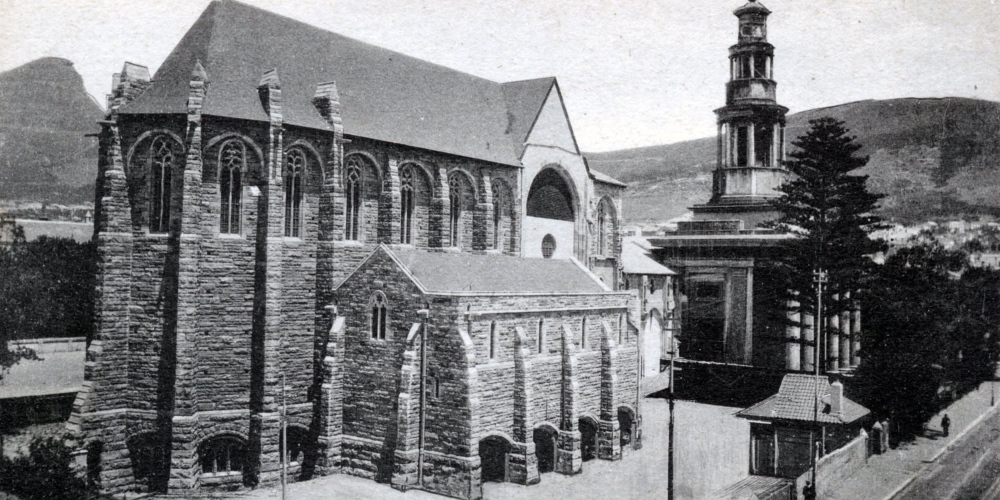
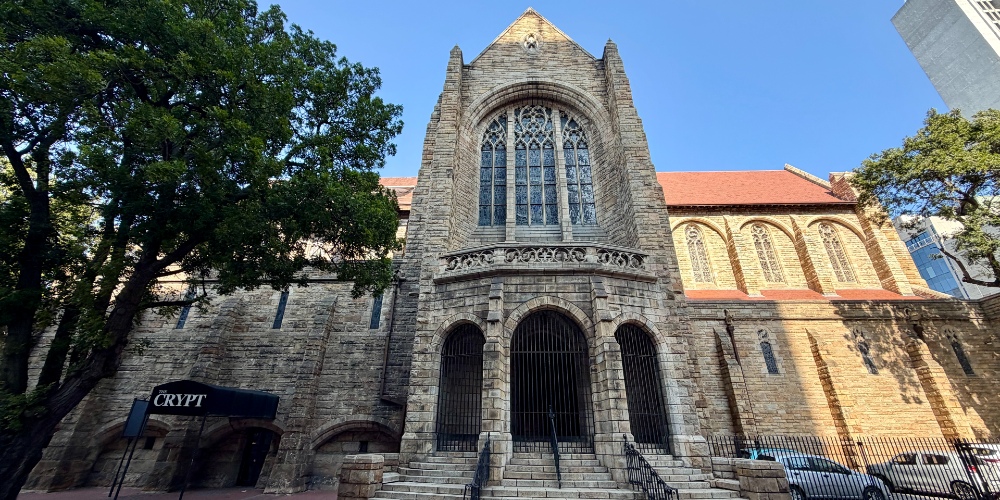
The current cathedral, designed by Sir Herbert Baker between 1902 and 1905, was originally built alongside the older St George’s Church, which was built in 1834 and destroyed in 1955. It was an exact copy of the famous St Pancras Church in London. Its striking sandstone exterior, stained-glass windows and soaring arches reflect Gothic Revival architecture.
Dubbed the People’s Cathedral, it remained a non-segregated place of worship throughout apartheid and became a symbol of peaceful resistance. It was also the home church of Archbishop Desmond Tutu, who is buried there. Today, the cathedral remains a place of worship and hosts concerts, performances, and community events.
Centre for the Book
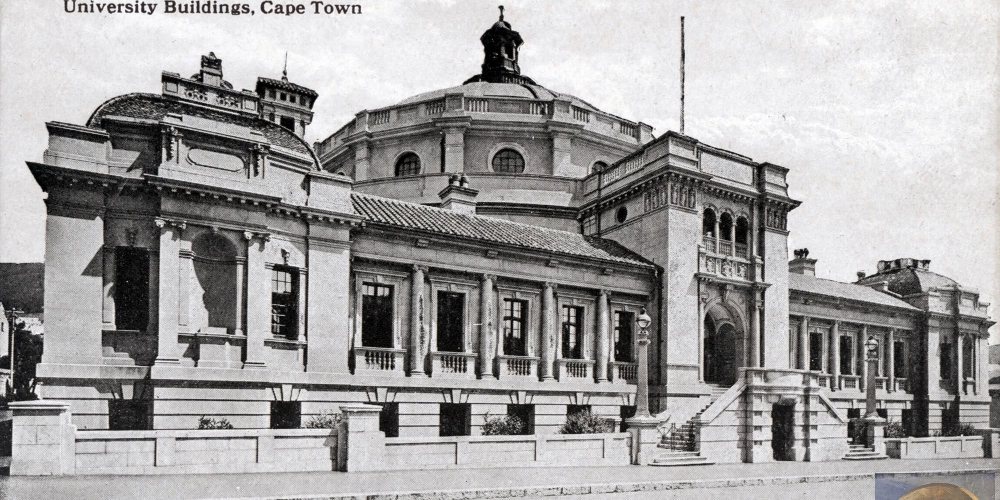
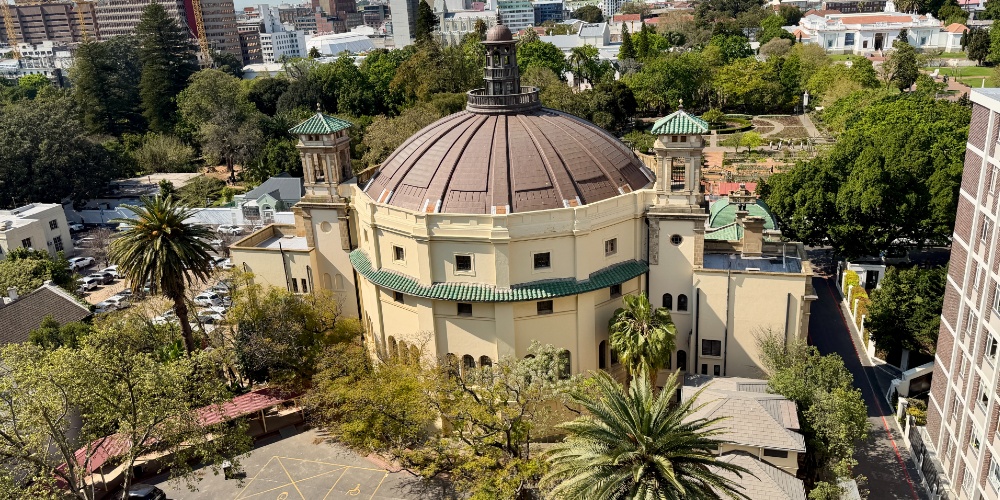
The Centre for the Book dates to 1913. Its Edwardian building was originally designed as an examination centre and headquarters for the University of the Cape of Good Hope, the predecessor of today’s University of South Africa. Inspired by the Royal Albert Hall and conceived as a modern take on a Florentine Renaissance palace, it later served as the Western Cape Archives for much of the 20th century.
Today, a building once used for education and record-keeping serves as a space for books, ideas, and knowledge. You can also book the venue for events.
Labotessa Luxury Boutique Hotel
Hidden around Church Square, the luxury hotel Labotessa is another example of Cape Town’s talent for giving old buildings new identities. The building’s base dates to the Union Chapel of 1819, regarded as South Africa’s oldest mission church. Over the years, the buildings served religious, educational and other purposes. Next door was the home of Reverend John Philip, an early advocate for equality and one of the first public voices in South Africa to call for equal treatment regardless of colour.
The colourful houses of Bo-Kaap
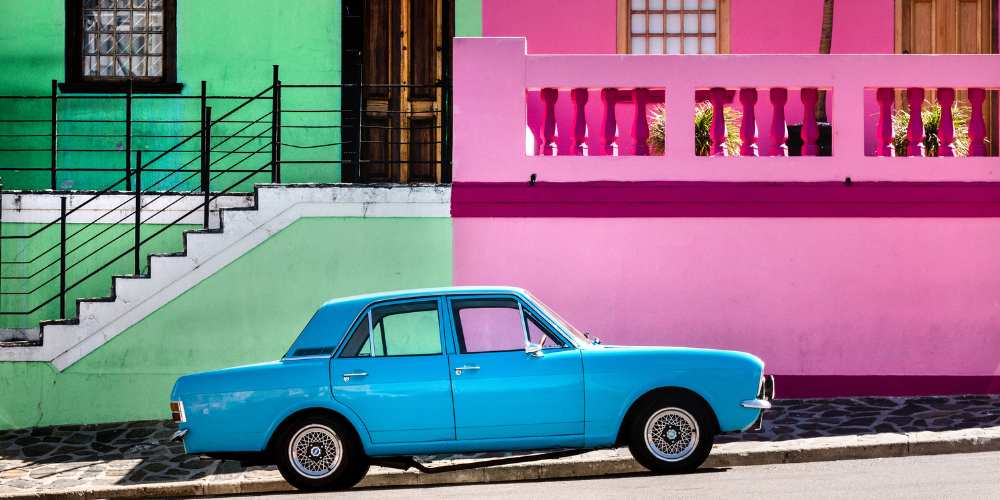
The Bo-Kaap’s brightly painted houses and steep, cobbled streets are more than a colourful backdrop for photographs. Its architecture blends Cape Dutch and Georgian influences, with later Victorian and Edwardian additions. From the 1790s, formerly enslaved people and non-white artisans began to settle in the area’s affordable housing.
The colourful houses are a more recent feature. Although several stories exist about their origins, the widespread use of bright colours largely dates to the 1990s, when residents gained greater freedom to modify their homes.
Protea Hotel Cape Town Mowbray
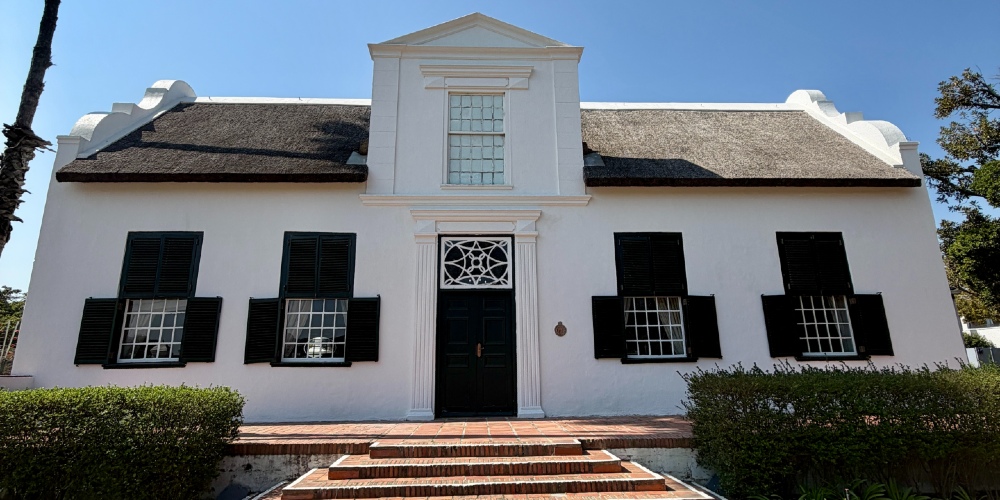
The Protea Hotel Cape Town Mowbray occupies part of a historic Cape Dutch farmstead and homestead associated with the Valkenberg estate area, along one of the country’s oldest stretches of Cape Dutch farm estates. Water from the Liesbeek River powered mills that ground wheat for Cape Town’s supplies and for ships travelling between the Atlantic and Indian Oceans. The manor house, dating to around 1880, now forms part of the hotel’s reception, lounge, and restaurant areas.
Sarah Baartman Hall (Jameson Hall)
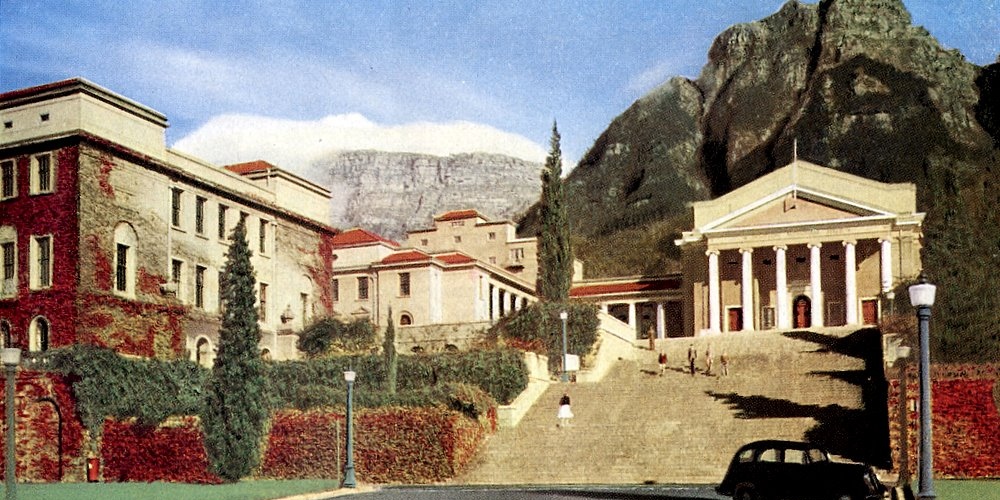
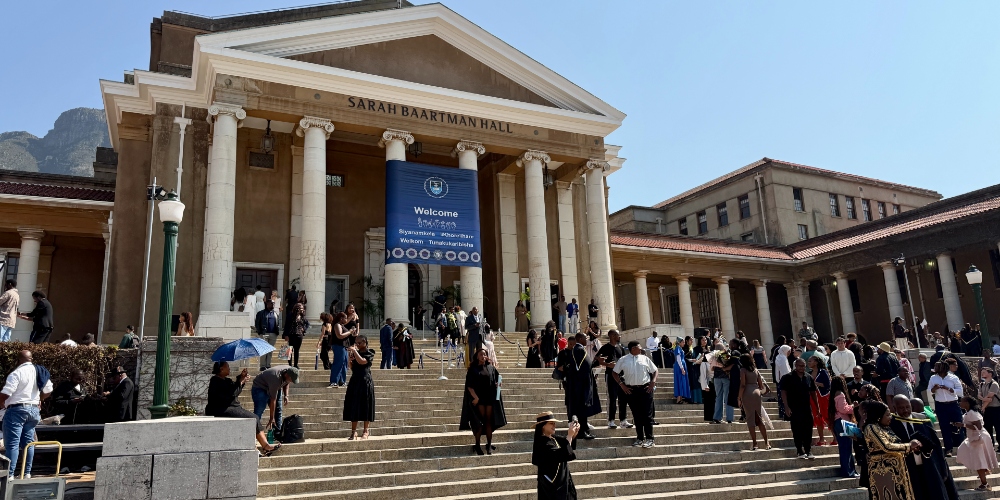
Originally known as Jameson Hall, Sarah Baartman Hall became part of UCT’s Upper Campus after the university moved to the slopes of Devil’s Peak in the late 1920s. Architect Joseph Michael Solomon undertook a research trip to Oxford, Cambridge, Harvard and Yale, and drew on what he saw there to design an Ivy League-inspired, Greek-influenced academy intended to transform the old South African College into a world-class tertiary institution.
Its grand staircase and white columns remain among the campus’s most recognisable features. The hall has also been at the centre of some of South Africa’s most significant political debates, ranging from apartheid-era tensions to the 2015 Rhodes Must Fall protests.
Groot Constantia
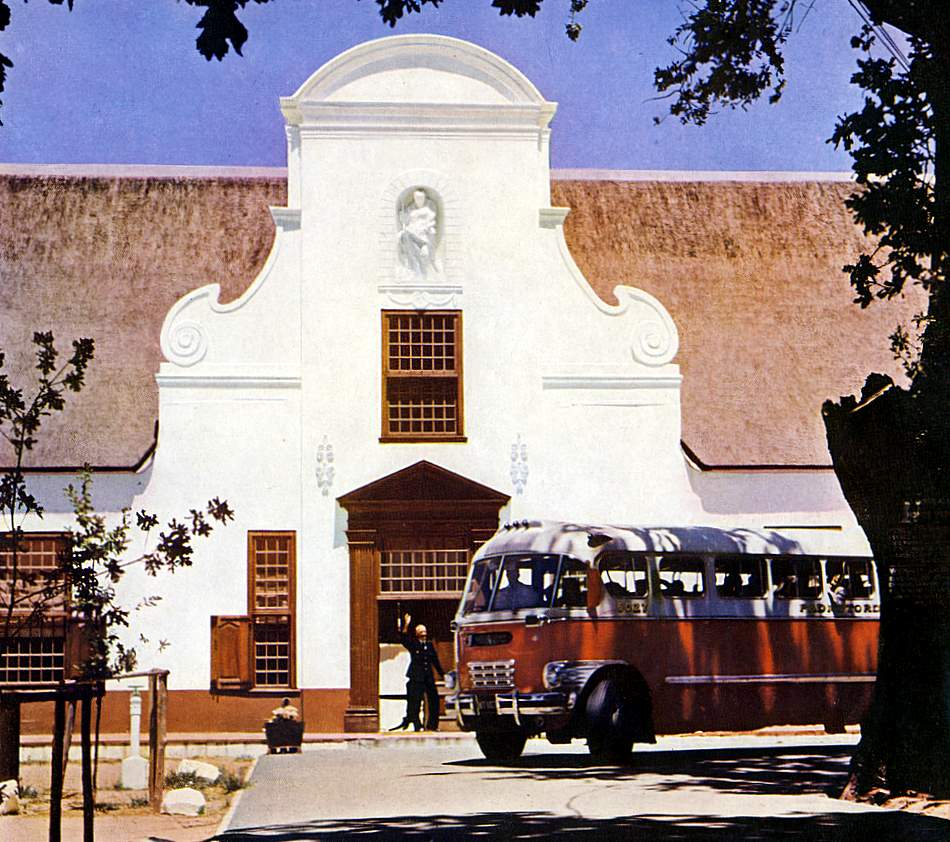
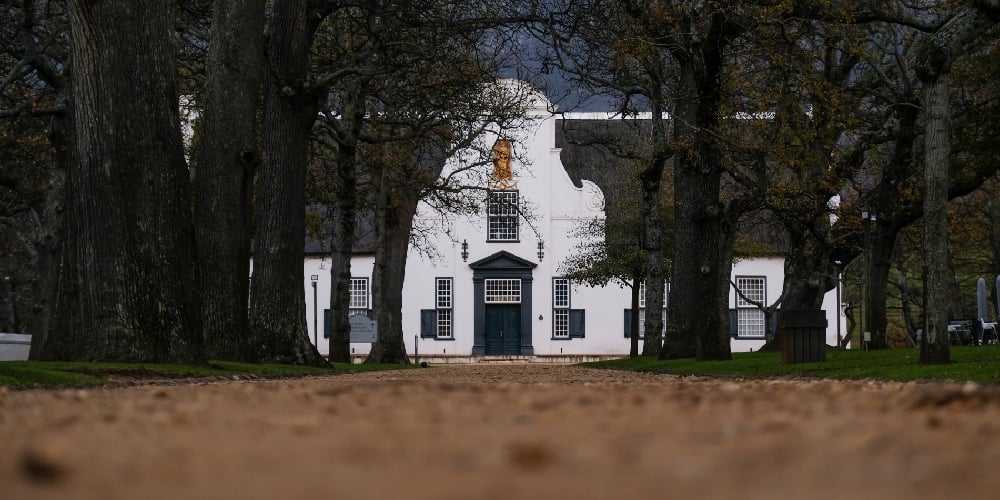
Groot Constantia dates to 1685, when Cape governor Simon van der Stel established the wine estate behind Table Mountain. The original land grant encompassed the entire valley, an area more than four hectares larger than Amsterdam at the time. As South Africa’s oldest producing wine farm, the estate is known for its historic Cape Dutch manor, wine cellar and Jonkershuis.
Its story is linked to the development of winemaking at the Cape, with Groot Constantia wines eventually becoming internationally renowned and enjoyed by European royalty and by Napoleon Bonaparte during his exile on St Helena.
The Rondebosch Ghost House
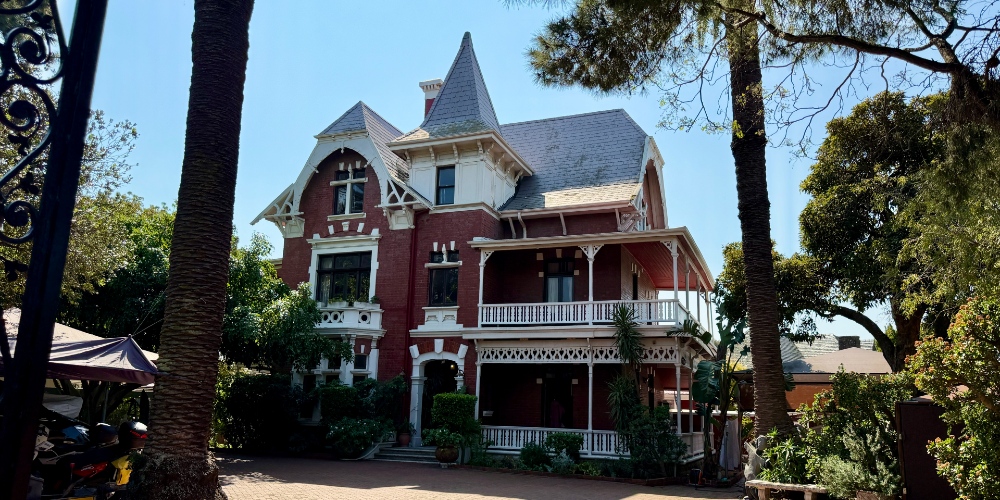
Known as the Ghost House of Rondebosch, the Jac Loopuyt House was originally called Huize Eendracht. Dutch-born architect Anthony de Witt designed the Edwardian residence, built in 1904 for Dutch ambassador Jac Loopuyt. As de Witt did most of his work in Pretoria and Johannesburg, the house is a rare example of an elite Gold Rush-era townhouse in Cape Town’s Southern Suburbs. The house later became associated with stories of unexplained footsteps, doors opening and closing, and alleged supernatural activity. Whether or not you believe in ghost stories, they remain an intriguing part of Cape Town’s architectural history.
Naspers Centre
By the mid-20th century, Cape Town had begun to look very different. The Naspers Centre was built in 1962 as only the second major building on the reclaimed Foreshore, standing virtually where the sea had been just 30 years earlier. The 26-storey building rises to approximately 93 metres and was known at different times as the Sanlam Centre and the Naspers Centre. For a time, it was Cape Town’s tallest building, a title now held by Portside Tower, which stands 139 metres tall.