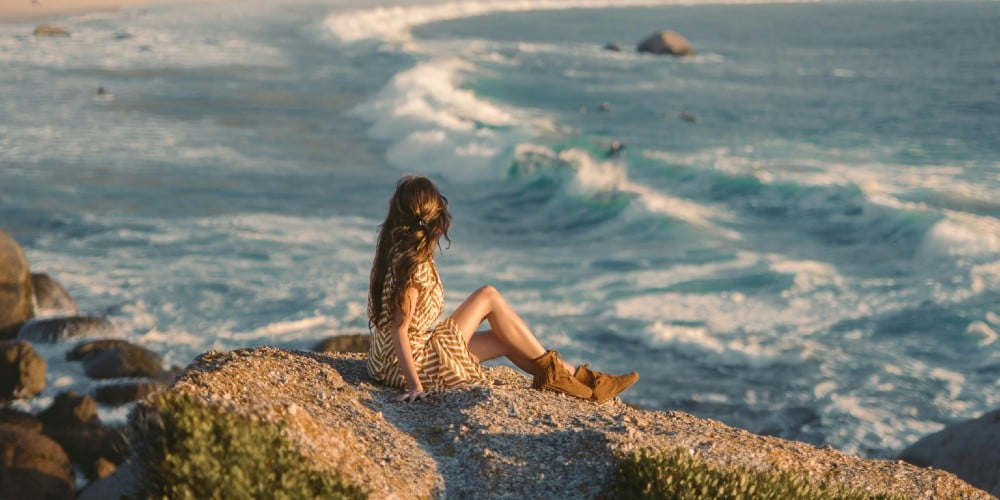
Ever wanted to stand at the edge of the world, watching waves crash against towering cliffs below? That’s the feeling you get when you visit Cape Point in Table Mountain National Park. At the tip of the Cape Peninsula, this windswept wilderness is a bucket-list day trip from Cape Town.
Long before European explorers arrived, the peninsula was home to Indigenous San and Khoikhoi communities, who relied on its natural resources for thousands of years. Later, Portuguese explorers Bartolomeu Dias (1488) and Vasco da Gama (1497) helped establish a sea route to India, making the Cape a key landmark in maritime history.
Covering approximately 7,750 hectares, the reserve offers plenty to explore, from the famous Flying Dutchman Funicular and historic shipwreck sites to tidal pools, scenic trails and fresh seafood with ocean views.
Here’s everything you should know:
Getting There
Cape Point is about 60 kilometres south of central Cape Town and is perfect for a day trip along the coast. Mobile reception can be unreliable in parts of the reserve, so arrange return transport in advance if you’re not driving. Booking an Uber or Bolt may be difficult without a signal.
The City Sightseeing Cape Point & Penguin Explorer Tour departs from the V&A Waterfront, travels along the Atlantic Seaboard, and stops at Boulders Beach in Simon’s Town before continuing to the reserve. We recommend buying your park entry tickets on board the bus to avoid long queues of vehicles at the entrance.
You could also book a registered shuttle or a local tour operator. Consult the official Cape Town Tourism Membership Directory to check whether a provider is listed.
Driving yourself? You can reach Cape Point via the scenic Atlantic Seaboard or the False Bay coast.
Entry Fees and Gate Times

Cape Point is managed by South African National Parks (SANParks), and visitors pay a daily conservation fee. The entrance fees are valid until 31 October 2026. South African citizens and residents pay R110 per adult (12 years and older) and R55 per child (2–11 years), with a valid ID or passport. SADC nationals pay R225 per adult and R115 per child, with a valid passport. International visitors pay the standard entry fee of R515 per adult and R250 per child.
A SANParks Wild Card or a Table Mountain National Park My Green Card may cover or discount entry, depending on the card’s terms.
Gate times:
Summer (October–March): 6am–6pm
Winter (April–September): 7am–5pm
What to Do at Cape Point
Ride the Flying Dutchman Funicular
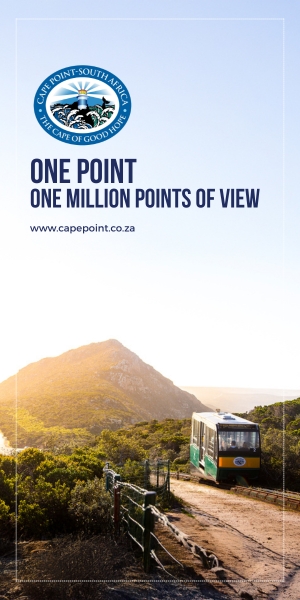
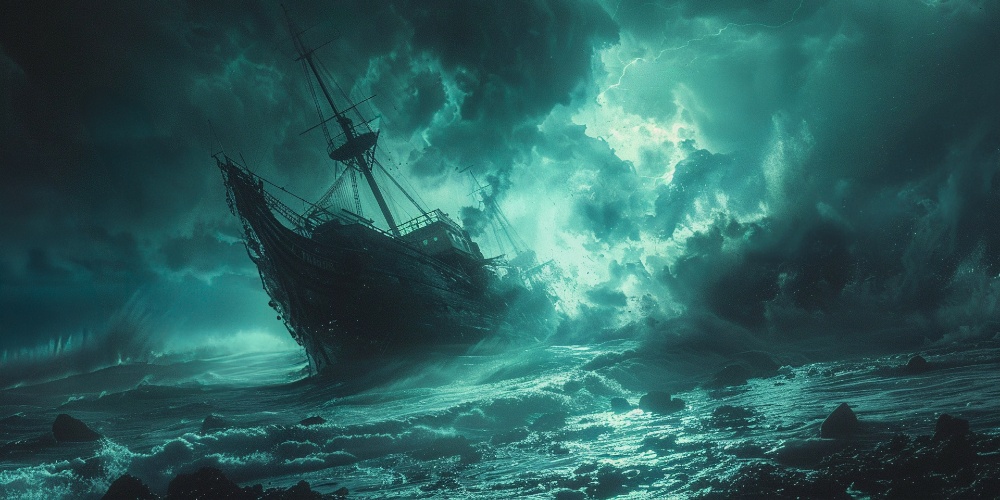
Named after the legendary ghost ship, the Flying Dutchman Funicular takes visitors to the upper lighthouse viewpoint, offering panoramic ocean views without the uphill climb. Prices are R115 for an adult return ticket and R60 for a child return ticket. Check current fares and booking details at Cape Point.
Discover the Lighthouses
The Old Lighthouse was built in 1857 at approximately 283 metres above sea level. Following the Lusitania shipwreck in 1911, a New Lighthouse was built lower down the cliffs, at approximately 87 metres above sea level, to improve visibility in misty conditions.
Dine at Two Oceans Restaurant
Enjoy ocean views alongside seafood specialities, including sole, mussels, calamari, prawns, crayfish, langoustines and line fish, served with basmati rice or fries and a garlic-lemon butter sauce.
Grab a Bite at The Food Shop
For a quick stop, The Food Shop offers artisanal coffee, meals, snacks, cold drinks and soft-serve ice cream.
Shop for Souvenirs
Browse Cape Point’s retail stores for apparel, outdoor gear, locally crafted African art and souvenirs themed around the lighthouse.
Explore Trails and Shipwreck Sites
Walking trails showcase the reserve’s rugged coastline and indigenous fynbos. The Cape of Good Hope Trail and the Shipwreck Trail offer opportunities to enjoy the scenery and learn more about the area’s maritime history. Check trail conditions before setting out.
Visit Beaches and Braai Spots
Dias Beach is reached via steep wooden stairs and offers spectacular views, though swimming is prohibited. Watch for baboons and never leave food unattended. At Buffels Bay and Bordjiesrif on the False Bay side, visitors can enjoy green lawns, designated braai fireplaces and sheltered tidal pools.
Try an E-Bike Tour
Cape Point E-Bike Tours offers guided electric-assist mountain-bike excursions through the reserve. Look out for Cape Mountain zebras, bontebok, ostriches and baboons. Contact the private operator directly to confirm prices, availability and bookings. Visit capepointebiketours.com/ for more information.
Tips for Your Visit
Be baboon-smart: Never feed baboons or leave food unattended. Keep vehicle doors closed.
Stick to designated paths: Protect endangered fynbos and help prevent soil erosion.
Follow the park rules: Braais are restricted to designated areas, including Buffels Bay and Bordjiesrif. Alcohol and loud music are prohibited.
Plan: Bring comfortable walking shoes, sun protection, water and a jacket. Arrange return transport and check operating conditions before leaving.
Contact Details
For current conservation fees, gate times and park regulations, visit Cape Point at capepoint.co.za/