With restored wetlands, thriving birdlife, and some very important penguins, Robben Island has a natural side that’s just as fascinating as its history.
Best known for its role in South Africa’s struggle for freedom and as the place where Nelson Mandela spent 18 years in prison, Robben Island has another side worth discovering. This UNESCO World Heritage Site is home to important wildlife and fragile ecosystems, and it is the site of ongoing conservation efforts to protect its natural environment.
From managing invasive alien plants to safeguarding its African Penguin colony, here’s a closer look at some of the work taking place on the island.
Tackling the Invasive Plants
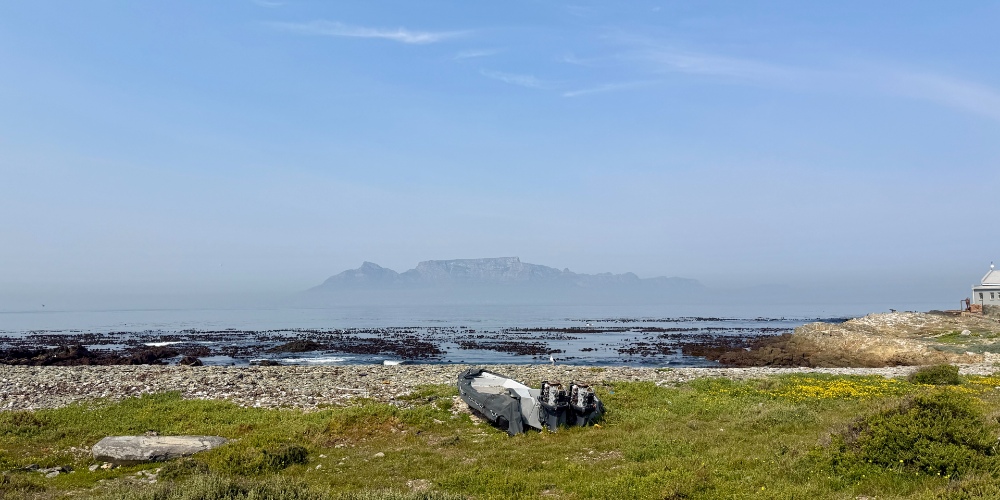
Invasive alien plants are among the biggest challenges facing the island’s natural environment, competing with indigenous vegetation, disrupting ecosystems and increasing the risk of veld fires.
Some species found across the island, including Rooikrans, Manatoka, and various Eucalyptus species, were introduced during earlier settlement periods. Since then, they have become established across parts of the island, putting pressure on indigenous plants and local ecosystems. Invasive alien plants are one of South Africa’s major threats to biodiversity. They can spread rapidly beyond their native ranges, often outcompeting native species and consuming significantly more water than indigenous vegetation does.
Another concern is fire. During the dry season, invasive plants can produce large amounts of combustible material, increasing the fuel load and potentially the intensity of veld fires. An uncontrolled fire could put indigenous vegetation, wildlife habitats, heritage resources and built infrastructure at risk.
Removing and managing these plants is therefore an important part of Robben Island’s efforts to reduce fire risk and improve disaster preparedness. It also gives indigenous vegetation and natural habitats a better chance to recover. One encouraging example is Sandy Beach, where wetland restoration has helped revive a struggling natural area.
Previously covered by invasive alien vegetation, the wetland remained dry even during the rainy season. With little surface water, it supported limited ecological activity. After invasive vegetation was removed and rehabilitation work began in 2022, conditions started to change. The area began to retain visible surface water, creating better conditions for wildlife and providing indigenous vegetation with a more favourable environment for recovery.
Today, the restored wetland is attracting more wildlife, with birds and frogs becoming more noticeable, and their calls are regularly heard throughout the area.
A Haven for Endangered Residents…
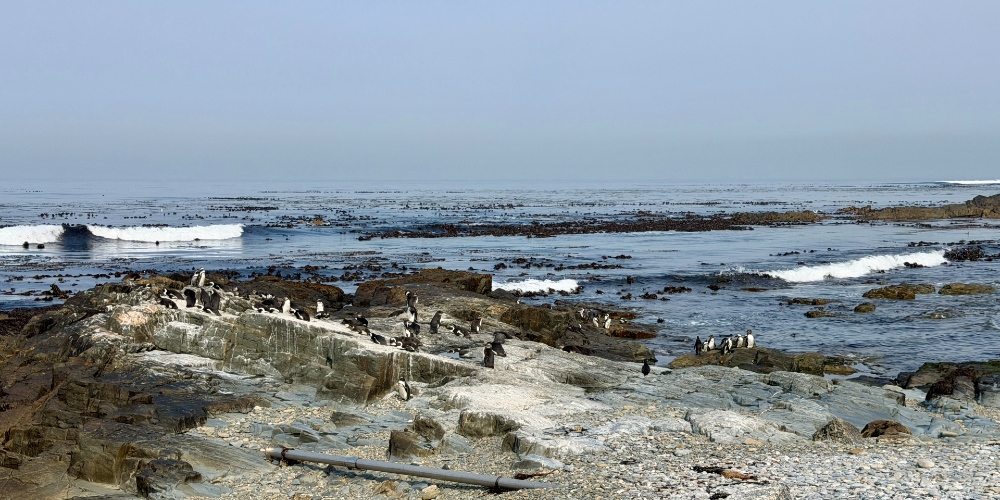
Robben Island is a stronghold for one of South Africa’s most recognisable seabirds, the African Penguin. Home to the third-largest African Penguin colony, the island plays a key role in protecting a species now globally classified as Critically Endangered.
Food scarcity, extreme weather events, oil and plastic pollution, and predation are among the threats placing increasing pressure on these birds. Protecting the colony on Robben Island is therefore an important part of the wider conservation effort.
The work involves much more than watching the penguins. Monitoring activities include annual counts of African penguins, studies of breeding success, assessments of chick condition, moult counts, and disease surveillance.
Researchers also use Passive Integrated Transponder (PIT) technology to identify and monitor individual birds. When intervention is needed, conservation efforts also rescue injured, sick, oiled, or abandoned penguins, chicks, and eggs.
…And Birds
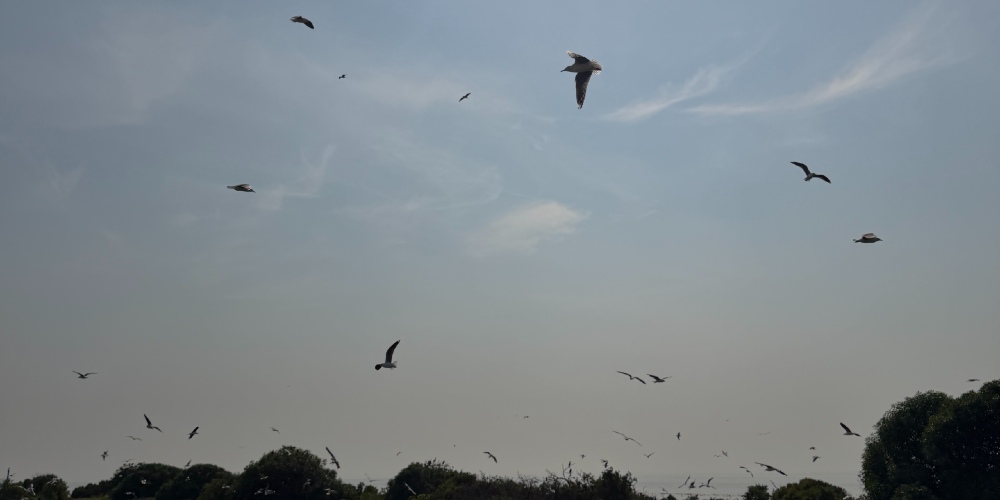
The penguins aren’t the island’s only feathered residents. Robben Island supports a surprisingly diverse range of seabirds, including Swift (Greater-crested) Terns, Hartlaub’s Gulls, Kelp Gulls, African Black Oystercatchers, Cape Cormorants, Crowned Cormorants and the endangered Bank Cormorant.
The island is home to several terrestrial and freshwater bird species. Monitoring these populations helps conservation teams assess the health of the island’s ecosystems, track changes in wildlife populations, and identify potential threats.
Planning your visit to Robben Island
A visit to Robben Island is a Cape Town bucket-list experience.
Getting there: Ferries depart from the Nelson Mandela Gateway at the V&A Waterfront daily at 9am, 11am, 1pm, and 3pm. The crossing takes approximately 30 minutes, weather permitting.
What to expect: The standard visitor experience includes a ferry journey, a guided bus tour around the island, and a visit to the prison, traditionally led by a former political prisoner.
Find out more: www.robben-island.org.za