Cape Town Tourism is sharing the following updates to keep members and partners informed of key international developments that may impact travel. We will continue to monitor the situation and provide further information as needed.
TUESDAY, 14 APRIL
TRAVEL & TOURISM
WEDNESDAY, 8 APRIL
TRAVEL & TOURISM
WEDNESDAY, 1 APRIL
TRAVEL & TOURISM
- SA :Petrol prices are up R3.06 per litre. Diesel prices are staggering at R7.37 and R7.51 per litre.
- SA: The central bank, whose quarterly bulletin assessed SA’s economic performance through the 4th quarter, says the war’s impact is not yet evident in the real economy.
- The European aviation network is currently facing a period of intense operational strain, with over 2,700 flights delayed and 117 cancelled, stranding hundreds of travellers.
- Disruptions hit Germany, the UK, France and other European countries.
- Delays and cancellations: Frankfurt, Munich and Paris Charles de Gaulle.
- Disruptions are linked to broader operational pressures and airspace challenges, contributing to continued instability in European air travel.
TUESDAY, 31 MARCH
TRAVEL & TOURISM
- SA relies heavily on one-stop connections through the Gulf for links to Europe, South Asia, and East Asia. Now, it uses alternative routes via Europe, East Africa, and the Indian Ocean.
- Airlines from London, Paris, Delhi and Singapore are similarly rewriting their route networks, leaning more heavily on Turkish, Central Asian and West African corridors.
- For SA carriers and their partners, higher fuel consumption, crew duty-time pressures and congestion on alternative routes translate into increased operating costs.
- South Africans are expecting record-high fuel price hikes. Petrol is expected to jump by about R6 a litre and diesel by R10 tomorrow. President Cyril Ramaphosa says the government is looking into ways to soften the blow.
MONDAY, 30 MARCH
TRAVEL & TOURISM
- Southern Africa’s inbound tourism sector faces pressure as the conflict begins to disrupt bookings, inflate flight costs, and weaken traveller confidence, according to new industry data.
- The Southern Africa Tourism Services Association (Satsa) says 80.6% of tourism businesses are experiencing some impact, 9.4% report no impact so far, and 10.1% say it is too early to say.
- The findings, based on a survey conducted by tour operators and destination management companies, suggest a sector facing increasing friction rather than a collapse in demand.
- The conflict is actively reshaping global travel flows, with the Indian Ocean emerging as a key beneficiary.
- South Africans are choosing to travel to destinations closer to home, with agents noticing an increase in demand for Indian Ocean islands such as Mauritius, Seychelles and Réunion.
WEDNESDAY, 25 MARCH
TRAVEL & TOURISM
- Etihad Airways*: Resuming a reduced flight schedule between Jhb (OR Tambo) and Abu Dhabi from 1 April. Flights to operate 3 times a week (Wed, Fri, Sun), subject to change.
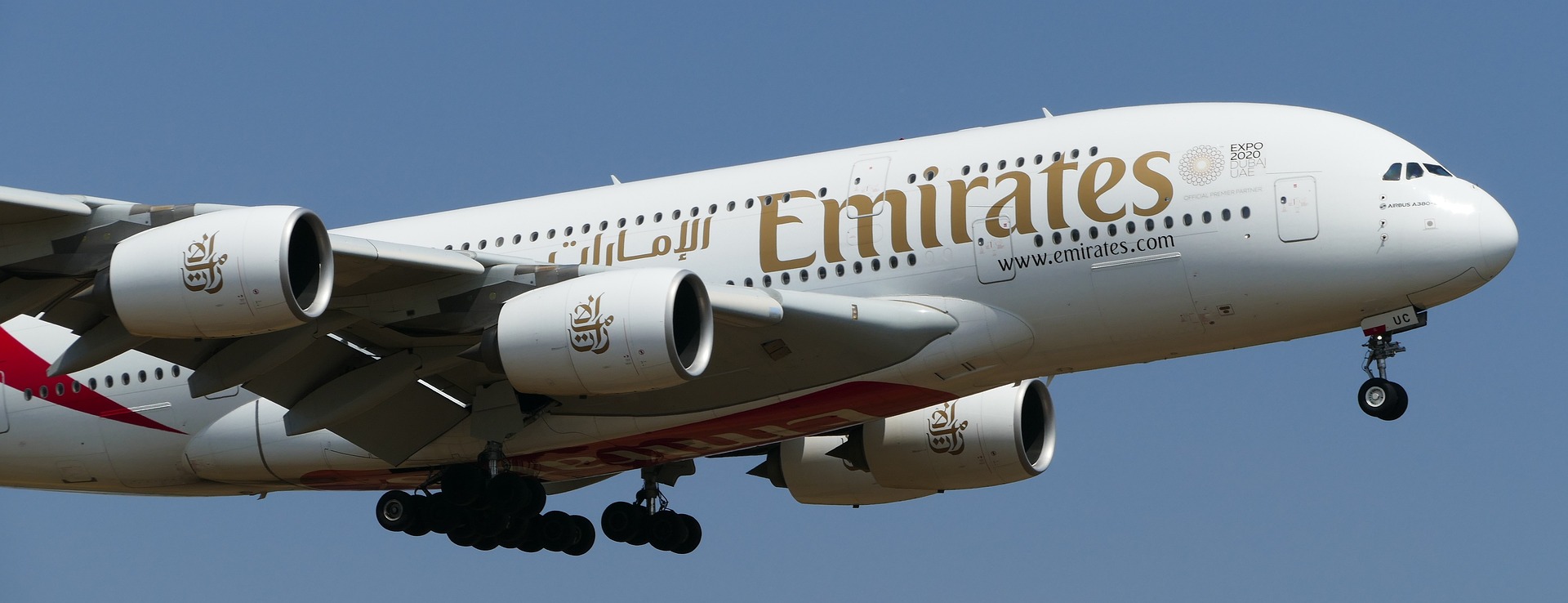
- Emirates*: Previously reduced its SA schedule. Offering rebooking/rerouting.
- Qatar Airways*: Operating a limited schedule from Jhb via Doha. Flights remain subject to availability and ongoing changes.
- Turkish Airlines*: Offering flexible policies (rebooking, rerouting, refunds). Applies to travel impacted by ME disruptions, up to end of April (and beyond).
- South African Airways* : Suspended certain codeshare flights with Emirates between SA and Dubai.
- Overall trend*: Fewer flights, reduced frequencies, high flexibility.
MONDAY, 23 MARCH
TRAVEL & TOURISM:
- Broader trend: Fewer flights, rerouting and tight seat availability across SA routes via the ME.
- Emirates: Operating a reduced schedule — “We have started 1 daily flight and hope to return to double daily next month.”
- Qatar Airways: Limited Doha schedule with specific departures; availability remains tight and subject to airspace changes.
- Economy: The conflict is expected to push up inflation in South Africa, driven by higher fuel, food and transport costs.
- Rates pressure: The South African Reserve Bank may need to rethink rate cuts as oil prices threaten to push inflation beyond the 3%–6% target range.
- Big risk: South Africa remains highly exposed to global oil shocks due to heavy reliance on imported fuel and limited reserves.
FRIDAY, 20 MARCH
TRAVEL & TOURISM
- Global traveller confidence is being affected – many reconsidering trips citing safety concerns, airspace disruptions, and uncertainty around escalation.
- Travellers are increasingly avoiding whole regions, not just conflict zones, as perceptions of risk spread across neighbouring destinations.
- Key concerns include disrupted flight routes, complex logistics, insurance limitations, and the risk of sudden cancellations or rerouting.
- Airlines and tour operators are adjusting schedules and offering greater flexibility, such as rebookings and holding funds for postponed trips.
- Demand is shifting towards perceived safer destinations such as Europe, the Indian Ocean islands, and long-haul alternatives.
- Despite disruptions, the industry remains resilient and adaptable, with strong collaboration between airlines, agents, and operators to manage uncertainty.
- Most travellers are postponing rather than cancelling, indicating that underlying demand remains strong once stability is restored.
THURSDAY, 19 MARCH
TRAVEL & TOURISM
- Emirates is operating a reduced schedule to SA with revised refund and rebooking policies, while British Airways has cancelled or limited multiple Middle East routes, including suspensions to Doha and key regional hubs;
- Ethiopian Airlines is stepping in as a key alternative, routing South Africans via Addis Ababa instead of traditional Gulf hubs, resulting in longer travel times, higher costs, and a shift in how travellers access Europe and Asia.
- Demand is starting to soften, with slower international bookings and some cancellations (particularly high-end) – the local sector remains cautious rather than in crisis mode;
- There are early signs of weakening demand from European and Asian markets, although US travel remains stable for now, with operators closely watching oil prices and global sentiment.
- South African citizens in the Middle East are being urged to register with embassies and follow official travel alerts.
WEDNESDAY, 18 MARCH
TRAVEL & TOURISM
- Air access disruptions are hitting SA routes directly, with Middle East instability affecting key corridors like Dubai–Johannesburg, forcing rerouting, delays and reduced capacity.
- Flight costs are rising locally, with airlines like FlySafair introducing fuel surcharges as jet fuel prices surge on the back of oil prices above $100.
- Tourism risk is increasing rather than declining (for now) – global travel patterns are shifting away from the Middle East, which could benefit long-haul destinations like SA, but higher prices and limited flights are a constraint.
- Fuel and inflation pressure is intensifying in SA, with economists warning of knock-on effects on transport, food prices and interest rates.
- Stay informed. Travel safe
MONDAY, 16 MARCH
TRAVEL & TOURISM:
- The main short-term impact on travel to Cape Town is *rising aviation fuel costs,* prompting airlines worldwide to introduce fuel surcharges and adjust ticket prices.
- A limited number of flights between Cape Town and Middle Eastern hub airports have been affected by airspace disruptions. However, *Cape Town International Airport continues to operate normally*, and the destination remains well-connected through multiple international gateways.
- If higher oil prices persist due to disruptions around the Strait of Hormuz, *global travel demand could decline* as the cost of flying increases.
- Periods of geopolitical instability in other regions may lead travellers to favour long-haul destinations perceived as safe and stable (like SA).
- Cape Town remains committed to maintaining *strong international connectivity* and delivering value for visitors, helping the destination stay competitive.
——-
FRIDAY, 13 MARCH
TRAVEL & TOURISM:
- South African airlines have started adding fuel surcharges and fare increases as jet fuel costs surge.
- The biggest immediate impact is higher flight costs, not cancellations or safety concerns.
- Fuel price increases filter through the tourism sector – this can increase the cost of travel packages, tours, and accommodation operations.
- International travel to SA is still operating normally, but global price volatility could affect demand if the conflict drags on.
- If the war continues, travellers may choose *alternative long-haul destinations perceived as stable,* which could benefit destinations like SA.
THURSDAY, 12 MARCH
TRAVEL & TOURISM:
- Flights are still operating to and from SA, but the industry is feeling pressure.
- Some international routes are being rerouted to avoid Middle East airspace, making flights longer and more expensive.
- The biggest ripple effect for South Africa is oil – *higher oil prices are expected to push petrol and diesel prices up locally in the coming months.*
- One airline says *Jet A1 fuel prices at SA coastal airports jumped about 70% in a week*, forcing a temporary surcharge on tickets.
- Some SA airlines, including FlySafair and Airlink, are adjusting ticket pricing due to a sharp spike in aviation fuel costs.
- FlySafair will introduce a *temporary “dynamic fuel surcharge”* from 12 March until 12 May 2026, shown separately on tickets for transparency.
- Existing bookings will not be affected, and airlines say the surcharge will be reviewed and removed if fuel prices stabilise.
WEDNESDAY, 11 MARCH
TRAVEL & TOURISM:
- Domestic flights in South Africa are operating normally.
- International flights are *slowly stabilising*, but *Middle East routes remain volatile*, with airlines adjusting schedules daily as the security situation evolves.
- International travellers to and from Cape Town may face delays, rerouting or reduced flight options, especially on routes that rely on Gulf hubs.
TRAVEL INSURANCE:
- Travel insurance may not cover disruptions caused by war.* Many policies exclude claims related to war/armed conflict: cancellations, delays, etc.
- Medical emergencies might still be covered.* Some policies will cover emergency medical treatment if a traveller is injured as an innocent bystander, even when disruption claims are excluded.
- Airlines may be the primary source of assistance* When flights are cancelled, or airspace is closed, refunds, rebookings, or support (accommodation/meals) are often managed by airlines rather than insurers.
TUESDAY, 10 MARCH
TRAVEL & TOURISM:
- Airspace closures in parts of the Middle East, particularly affecting Iran, Iraq, and surrounding areas, continue to cause delays.
- Emirates is resuming limited flights from Dubai (DXB) to Cape Town
- Qatar Airways and Etihad are cautiously resuming select operations.
- Travellers strongly urged to verify bookings, as many flights have been cancelled or rerouted.
- Hundreds of SA citizens stranded in the Middle East are returning home.
- About 150 South Africans, many on pilgrimage in Jerusalem, have been repatriated via carriers such as EgyptAir.
MONDAY, 9 MARCH
TRAVEL & TOURISM:
- Some international flights in and out of South Africa are gradually returning to normal as airlines restart operations.
- Emirates is expected to introduce an additional flight from Johannesburg from today (9 March), potentially bringing the number of daily departures to two from Johannesburg and one from Cape Town.
- While operations are beginning to stabilise, airlines say they are continuing to monitor the situation closely.
- Travellers at OR Tambo International Airport say they are relieved that flights are moving again, even as uncertainty remains.
- A traveller from Colorado in the United States says he is grateful to be travelling directly to South Africa without disruptions.
- The traveller also reflected on the wider conflict, saying that, as an American, he feels a sense of shame about the role his country is playing, but that he remains secure in the safety systems currently in place.
FRIDAY, 6 MARCH
TRAVEL & TOURISM:
- Gulf airspace closures have forced airlines to cancel or reroute flights, disrupting key routes between South Africa and the Middle East.
- Thousands of passengers, including South Africans, are stranded in Dubai, Doha and Abu Dhabi.
- Major hubs, like Dubai Int. Airport have suspended operations, affecting connections for South Africans travelling to Europe, Asia and the Middle East.
- African airlines such as Ethiopian Airlines and Kenya Airways are rerouting flights, increasing travel times and creating backlog on international routes.
- South African business travellers, students, sports teams and holidaymakers are stranded or facing delays.
- Some travellers are dealing with expired visas and disrupted work commitments due to cancellations.
- ACSA is advising travellers not to go to airports without confirmed bookings,
- Ongoing instability means airlines may continue cancelling or changing routes at short notice.
- With shipping avoiding Middle Eastern routes, more vessels are travelling around the Cape, increasing maritime traffic near South Africa’s ports.
——-
TUESDAY, 3 MARCH
TRAVEL & TOURISM:
- Airspace over key Middle Eastern countries remains closed, significantly disrupting global flight routes. (Evacuation of South Africans is on hold)
- Major aviation hubs such as Dubai, Abu Dhabi, and Doha — critical connecting points between Africa, Europe, and Asia — are closed or severely limited.
- International itineraries are affected, especially for travellers transiting through Gulf hubs.
- Flights between South Africa and destinations in Europe, Asia, or the Americas that depend on these hubs face cancellations, reroutes, or extended travel times.
- Passengers are advised to regularly contact airlines and travel agents for the latest updates, to be proactive in checking flight statuses, and to be flexible with plans.
- Uncertainty in travel planning is high.
MONDAY, 2 MARCH
TRAVEL & TOURISM:
- At OR Tambo: 8 flights cancelled (1 inbound, 7 outbound).
- Cape Town: 4 outbound cancelled.
- Durban: 2 outbound cancelled.
SATURDAY, 28 FEBRUARY
Cape Town Tourism is aware of confirmed global flight disruptions and cancellations related to the evolving situation in the Middle East and associated airspace closures.
Travellers are strongly advised to contact their airline, travel agent, or the airport directly to confirm the latest flight status before heading to the airport.
Those affected should contact their travel agencies for rebooking and further assistance.
Cape Town Tourism is closely monitoring developments and remains in contact with key aviation and tourism partners. Further updates will be provided as soon as new information becomes available.
Safety remains the highest priority. Travellers are advised to:
• Check flight status directly with their airline
• Expect ongoing disruptions and allow for delays
• Ensure travel insurance is current and provides appropriate cover
• Monitor official news and travel advisories
For the latest updates, follow Cape Town Tourism’s official channels.